
Coconut (Cocos Nucifera) The Tree of Life
 The scientific name for coconut is Cocos nucifera. Early Spanish explorers called it coco, which means “monkey face” because the three indentations (eyes) on the hairy nut resembles the head and face of a monkey. Nucifera means “nut-bearing.”
The coconut provides a nutritious source of meat, juice, milk, and oil that has fed and nourished populations around the world for generations. On many islands coconut is a staple in the diet and provides the majority of the food eaten. Nearly one third of the world’s population depends on coconut to some degree for their food and their economy. Among these cultures the coconut has a long and respected history.
Coconut is highly nutritious and rich in fiber, vitamins, and minerals. It is classified as a “functional food” because it provides many health benefits beyond its nutritional content. Coconut oil is of special interest because it possesses healing properties far beyond that of any other dietary oil and is extensively used in traditional medicine among Asian and Pacific populations. Pacific Islanders consider coconut oil to be the cure for all illness. The coconut palm is so highly valued by them as both a source of food and medicine that it is called “The Tree of Life.” Only recently has modern medical science unlocked the secrets to coconut’s amazing healing powers.
Coconut In Traditional Medicine
People from many diverse cultures, languages, religions, and races scattered around the globe have revered the coconut as a valuable source of both food and medicine. Wherever the coconut palm grows the people have learned of its importance as a effective medicine. For thousands of years coconut products have held a respected and valuable place in local folk medicine.
In traditional medicine around the world coconut is used to treat a wide variety of health problems including the following: abscesses, asthma, baldness, bronchitis, bruises, burns, colds, constipation, cough, dropsy, dysentery, earache, fever, flu, gingivitis, gonorrhea, irregular or painful menstruation, jaundice, kidney stones, lice, malnutrition, nausea, rash, scabies, scurvy, skin infections, sore throat, swelling, syphilis, toothache, tuberculosis, tumors, typhoid, ulcers, upset stomach, weakness, and wounds.
Coconut In Modern Medicine
Modern medical science is now confirming the use of coconut in treating many of the above conditions. Published studies in medical journals show that coconut, in one form or another, may provide a wide range of health benefits. Some of these are summarized below:
- Kills viruses that cause influenza, herpes, measles, hepatitis C, SARS, AIDS, and other illnesses.
- Kills bacteria that cause ulcers, throat infections, urinary tract infections, gum disease and cavities, pneumonia, and gonorrhea, and other diseases.
- Kills fungi and yeasts that cause candidiasis, ringworm, athlete’s foot, thrush, diaper rash, and other infections.
- Expels or kills tapeworms, lice, giardia, and other parasites.
- Provides a nutritional source of quick energy.
- Boosts energy and endurance, enhancing physical and athletic performance.
- Improves digestion and absorption of other nutrients including vitamins, minerals, and amino acids.
- Improves insulin secretion and utilization of blood glucose.
- Relieves stress on pancreas and enzyme systems of the body.
- Reduces symptoms associated with pancreatitis.
- Helps relieve symptoms and reduce health risks associated with diabetes.
- Reduces problems associated with malabsorption syndrome and cystic fibrosis.
- Improves calcium and magnesium absorption and supports the development of strong bones and teeth.
- Helps protect against osteoporosis.
- Helps relieve symptoms associated with gallbladder disease.
- Relieves symptoms associated with Crohn’s disease, ulcerative colitis, and stomach ulcers.
- Improves digestion and bowel function.
- Relieves pain and irritation caused by hemorrhoids.
- Reduces inflammation.
- Supports tissue healing and repair.
- Supports and aids immune system function.
- Helps protect the body from breast, colon, and other cancers.
- Is heart healthy; improves cholesterol ratio reducing risk of heart disease.
- Protects arteries from injury that causes atherosclerosis and thus protects against heart disease.
- Helps prevent periodontal disease and tooth decay.
- Functions as a protective antioxidant.
- Helps to protect the body from harmful free radicals that promote premature aging and degenerative disease.
- Does not deplete the body’s antioxidant reserves like other oils do.
- Improves utilization of essential fatty acids and protects them from oxidation.
Helps relieve symptoms associated with chronic fatigue syndrome. - Relieves symptoms associated with benign prostatic hyperplasia (prostate enlargement).
Reduces epileptic seizures. - Helps protect against kidney disease and bladder infections.
- Dissolves kidney stones.
- Helps prevent liver disease.
- Is lower in calories than all other fats.
- Supports thyroid function.
- Promotes loss of excess weight by increasing metabolic rate.
- Is utilized by the body to produce energy in preference to being stored as body fat like other dietary fats.
- Helps prevent obesity and overweight problems.
- Applied topically helps to form a chemical barrier on the skin to ward off infection.
- Reduces symptoms associated the psoriasis, eczema, and dermatitis.
- Supports the natural chemical balance of the skin.
- Softens skin and helps relieve dryness and flaking.
- Prevents wrinkles, sagging skin, and age spots.
- Promotes healthy looking hair and complexion.
Provides protection from damaging effects of ultraviolet radiation from the sun. - Helps control dandruff.
- Does not form harmful by-products when heated to normal cooking temperature like other vegetable oils do.
- Has no harmful or discomforting side effects.
- Is completely non-toxic to humans.
- See Research to read some of the published studies regarding the above mentioned uses of coconut products.
Coconut Oil
While coconut possesses many health benefits due to its fiber and nutritional content, it’s the oil that makes it a truly remarkable food and medicine.
Once mistakenly believed to be unhealthy because of its high saturated fat content, it is now known that the fat in coconut oil is a unique and different from most all other fats and possesses many health giving properties. It is now gaining long overdue recognition as a nutritious health food.
Coconut oil has been described as “the healthiest oil on earth.” That’s quite a remarkable statement. What makes coconut oil so good? What makes it different from all other oils, especially other saturated fats?
The difference is in the fat molecule. All fats and oils are composed of molecules called fatty acids. There are two methods of classifying fatty acids. The first you are probably familiar with, is based on saturation. You have saturated fats, monounsaturated fats, and polyunsaturated fats. Another system of classification is based on molecular size or length of the carbon chain within each fatty acid. Fatty acids consist of long chains of carbon atoms with hydrogen atoms attached. In this system you have short-chain fatty acids (SCFA), medium-chain fatty acids (MCFA), and long-chain fatty acids (LCFA). Coconut oil is composed predominately of medium-chain fatty acids (MCFA), also known as medium-chain triglycerides (MCT).
The vast majority of fats and oils in our diets, whether they are saturated or unsaturated or come from animals or plants, are composed of long-chain fatty acids (LCFA). Some 98 to 100% of all the fatty acids you consume are LCFA.
The size of the fatty acid is extremely important. Why? Because our bodies respond to and metabolize each fatty acid differently depending on its size. So the physiological effects of MCFA in coconut oil are distinctly different from those of LCFA more commonly found in our foods. The saturated fatty acids in coconut oil are predominately medium-chain fatty acids. Both the saturated and unsaturated fat found in meat, milk, eggs, and plants (including most all vegetable oils) are composed of LCFA.
MCFA are very different from LCFA. They do not have a negative effect on cholesterol and help to protect against heart disease. MCFA help to lower the risk of both atherosclerosis and heart disease. It is primarily due to the MCFA in coconut oil that makes it so special and so beneficial.
There are only a very few good dietary sources of MCFA. By far the best sources are from coconut and palm kernel oils.
Deprecated: Creation of dynamic property Cornerstone_Classic_Renderer::$orchestrator is deprecated in /home/dh_73hvn9/coconutresearchcenter.org/wp-content/plugins/cornerstone/includes/_classes/classic/class-classic-renderer.php on line 20
Deprecated: Creation of dynamic property Cornerstone_Control_Mixins::$cssClassMapGroup is deprecated in /home/dh_73hvn9/coconutresearchcenter.org/wp-content/plugins/cornerstone/includes/_classes/classic/class-control-mixins.php on line 568
Books by Dr. Bruce Fife
Fat Heals, Sugar Kills
The Cause of and Cure for Cardiovascular Disease, Diabetes, Obesity, and Other Metabolic Disorders
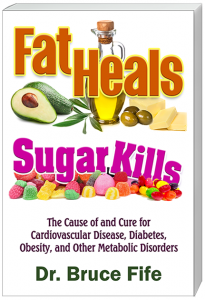
Replacing fat with refined carbohydrates was the worse dietary blunder of the 20th century and has led to the skyrocketing levels of chronic disease we are experiencing today. Fortunately, there is a solution—cut out the sugar and refined carbohydrates and add good fats back into the diet. New research is showing that fats are essential nutrients with important functions and can be used to help prevent and even reverse heart disease, diabetes, Alzheimer’s, and many other chronic diseases. Read more
_______________
Ketone Therapy
The Ketogenic Cleanse and Anti-Aging Diet
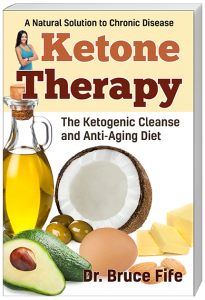
Research is continually discovering conditions that are responding to the ketogenic diet. Many health problems that medical science has deemed incurable or untreatable are being reversed. Medications that were once relied on daily are no longer necessary and are being tossed away. People are discovering that a simple, but revolutionary diet based on wholesome, natural foods and the most health-promoting fats is dramatically changing their lives. It could be the key to changing yours as well. Read more
_______________
Dr. Fife’s Keto Cookery
Nutritious and Delicious Ketogenic Recipes for Healthy Living
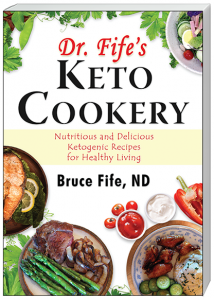
Described as the ultimate ketogenic cookbook, Dr. Bruce Fife has compiled into one volume his favorite ketogenic recipes, nearly 450 in all! It includes 70 vegetable recipes, 47 salads and 22 dressings, 60 egg recipes, and much more. With this resource, you will have plenty of options. Read more
_______________
The Coconut Ketogenic Diet
Supercharge Your Metabolism, Revitalize Thyroid Function, and Lose Excess Weight
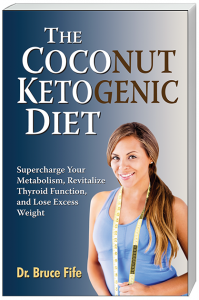
This revolutionary weight loss program is designed to keep you both slim and healthy using wholesome, natural foods, and the most health-promoting fats. It has proven successful in helping those suffering from obesity, diabetes, heart and circulatory problems, and many other conditions. Read more
_______________
 Dr. Oz Talks About Coconut Oil

“Coconut oil is the healthiest oil you can use.”
Joseph Mercola, D.O.

“Coconut oil is the healthiest oil on earth” Bruce Fife, N.D.